

Before the sauce hits the set…
Planning a commercial food photoshoot is about more than deciding what looks good on camera.
The strongest shoots start with a clear objective, a strong visual direction, and a shot list built around how the images will actually be used. A little planning up front makes the difference between a shoot that feels scattered and one that gives your team a useful, cohesive set of assets.
Start with the goal
Before talking about props, backgrounds, or styling, ask:
What does this shoot need to do for the brand?
Maybe it’s supporting a product launch, refreshing a website, creating social content, supplying ads, or building a more consistent visual identity.
The goal should shape everything that follows.
Know where the images will live
Think through intended usage early:
website
email
social
paid ads
packaging
retailer or marketplace listings
print
This affect the way the shoot is planned.
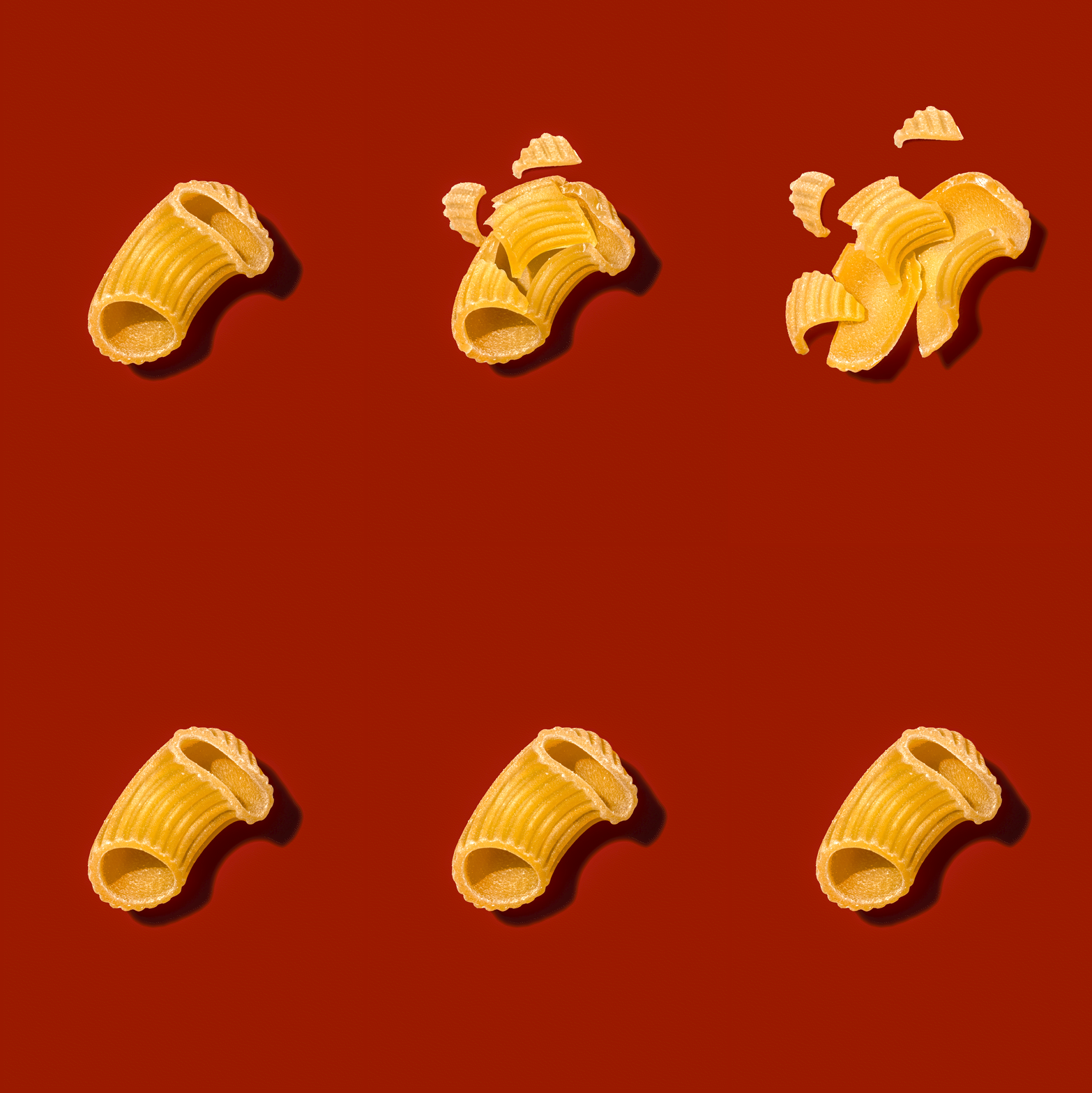
A website hero image may need room for copy. Social content may need vertical crops. Ads may need multiple variations. If stop-motion or short-form video is part of the plan, it should be considered from the beginning rather than added at the end. That becomes especially important for seasonal campaigns, where motion may need to work across social, ads, email, web, and retailer placements.
The earlier usage is defined, the more versatile that final library can be.
Build the visual direction
Once the goals are clear, define how the shoot should feel.
Should it be bright and playful? Minimal and graphic? Warm and nostalgic? Clean and elevated?
A mood board helps establish the visual language through things like:
lighting
color
composition
texture
styling
cropping
overall feel
It doesn’t need to dictate every detail. It just needs to give the shoot a clear creative direction.
Plan the shot list strategically
A good shot list should create range, not just variations of the same setup.
Depending on the project, that might include:
hero images
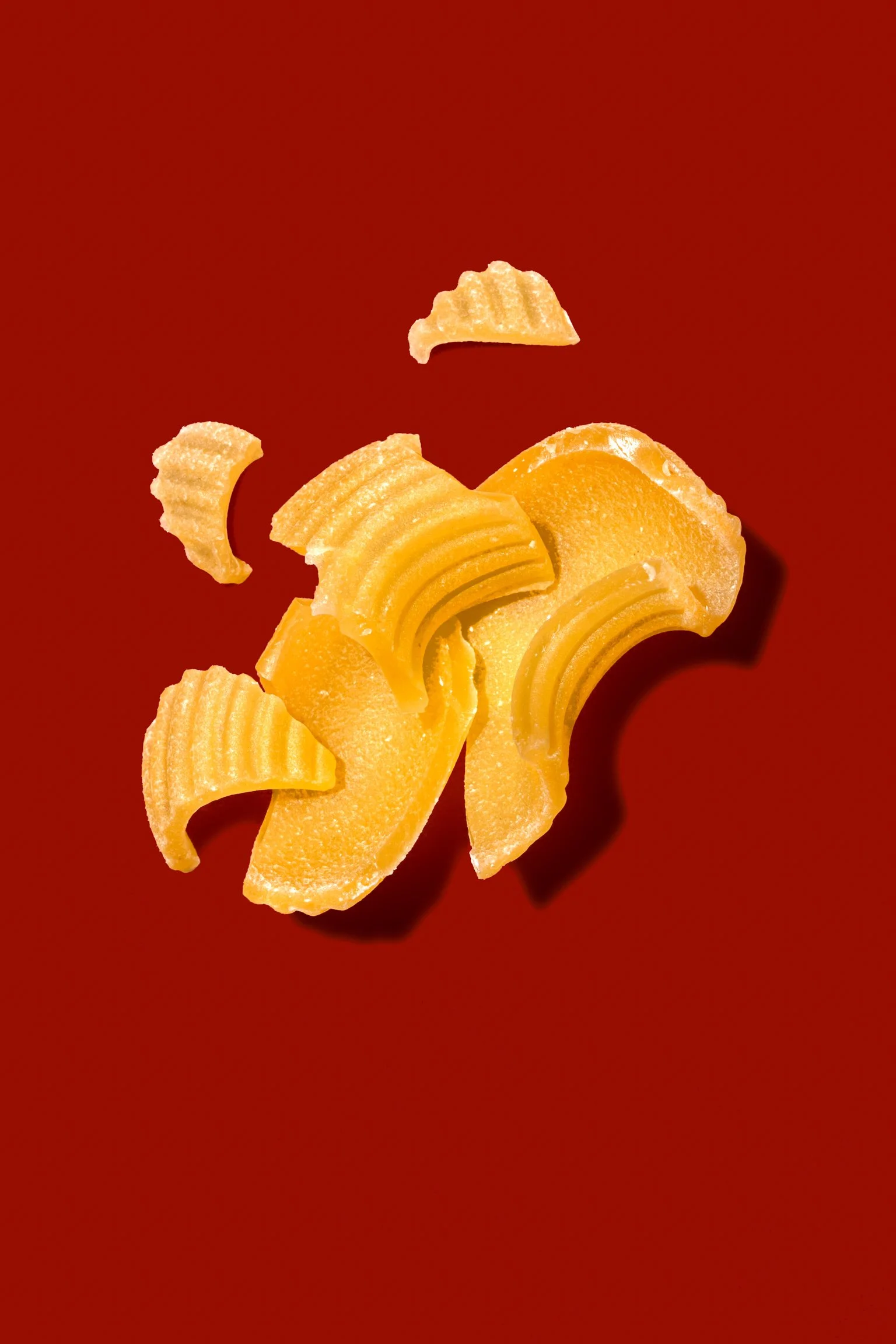
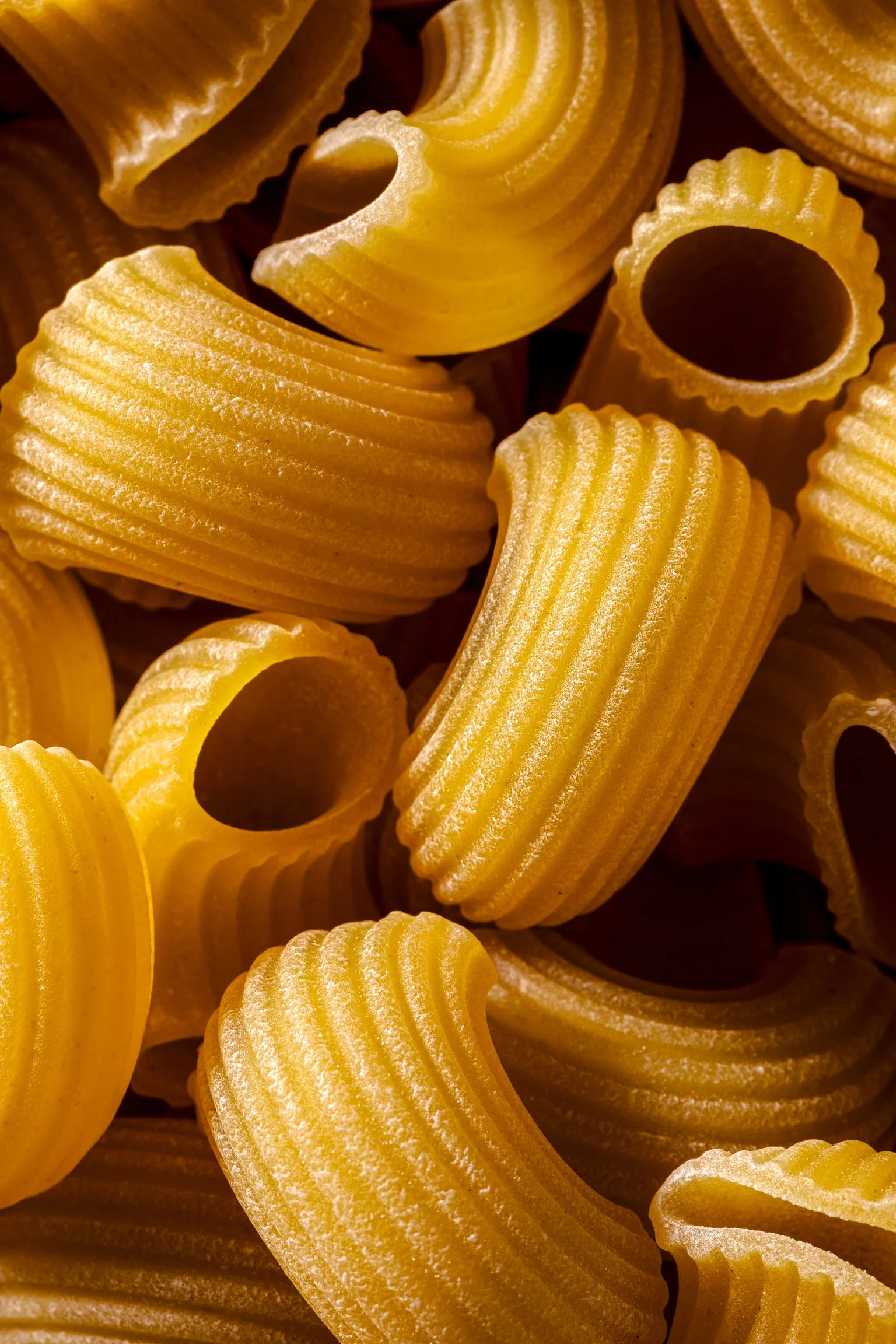
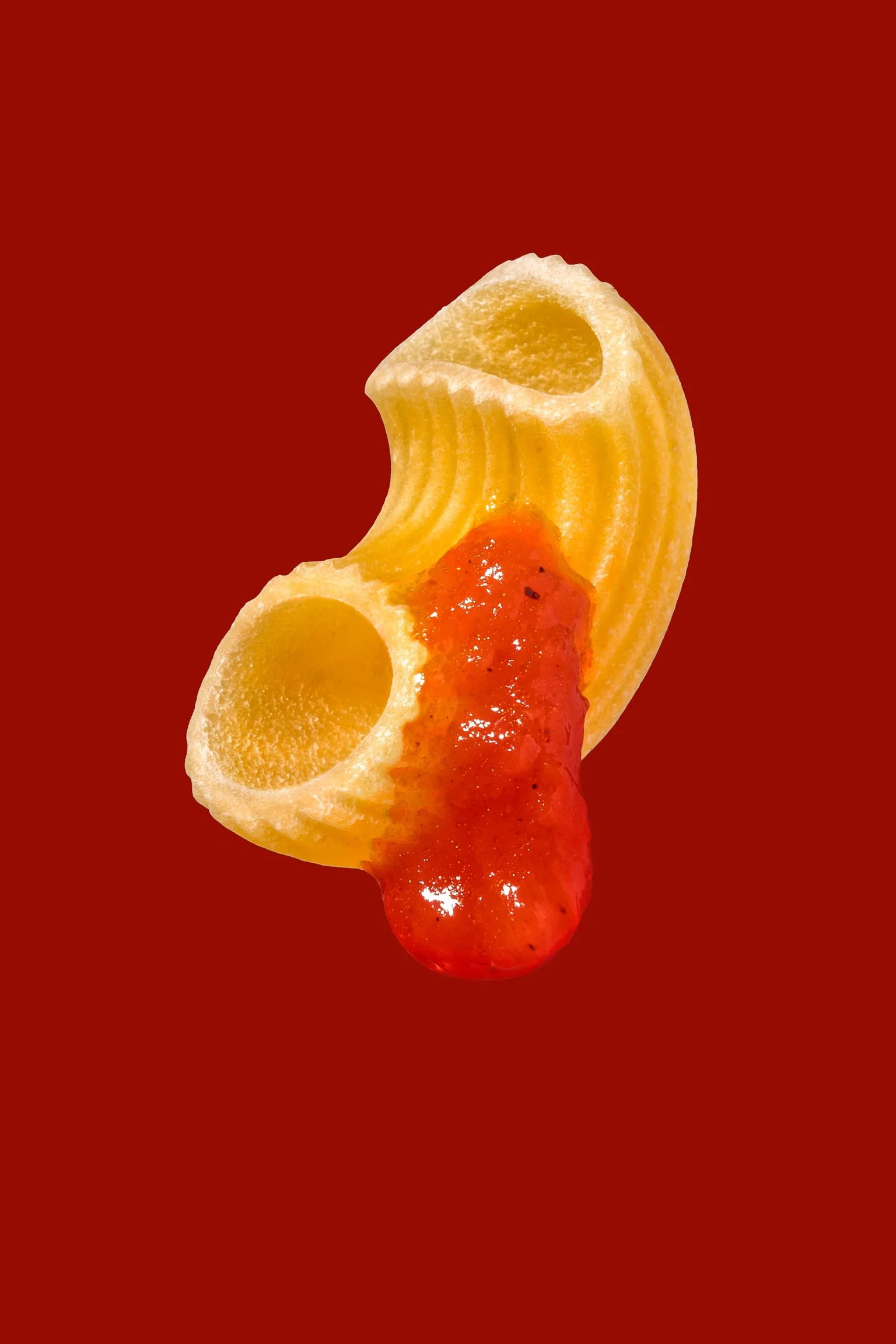
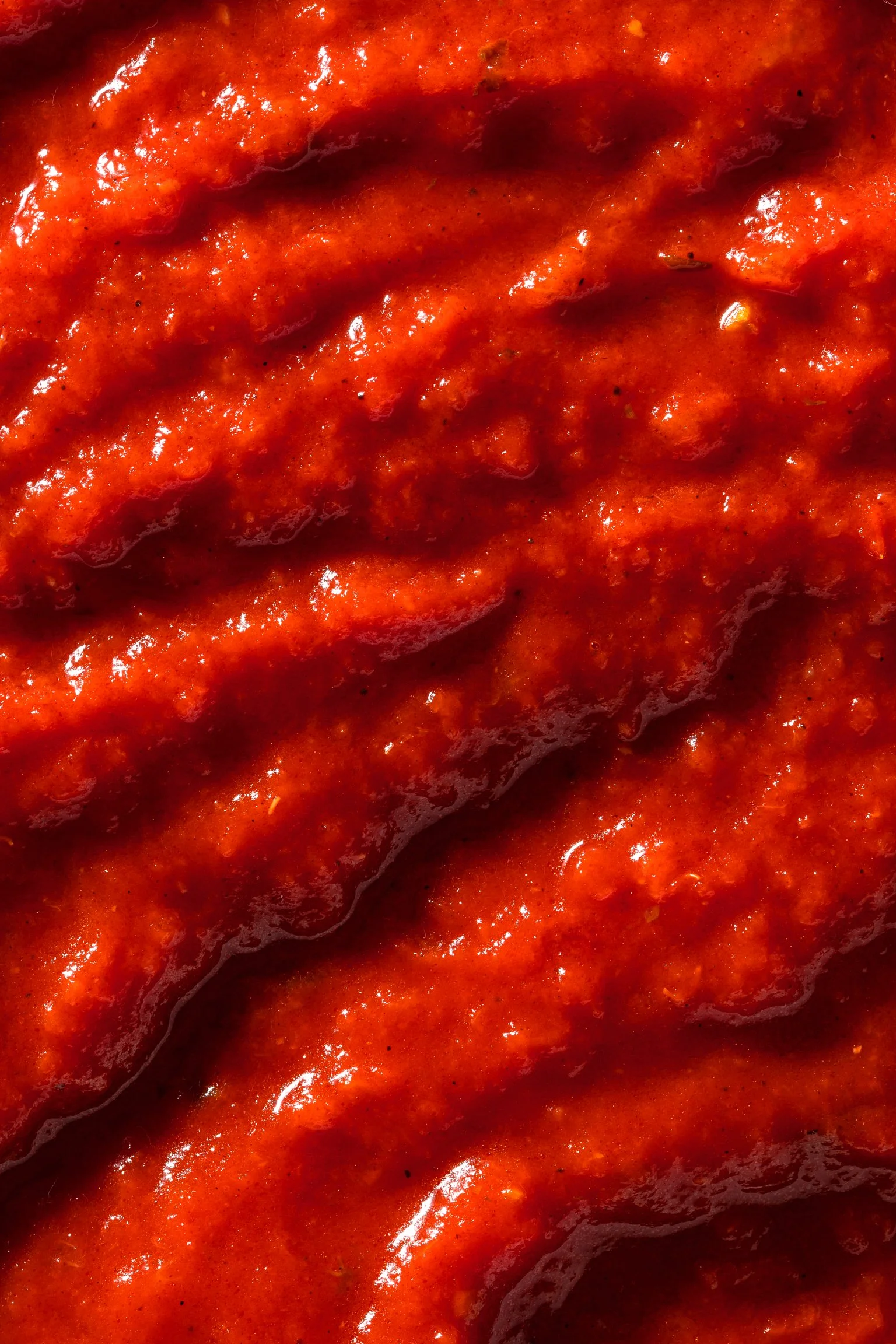
macro or detail shots
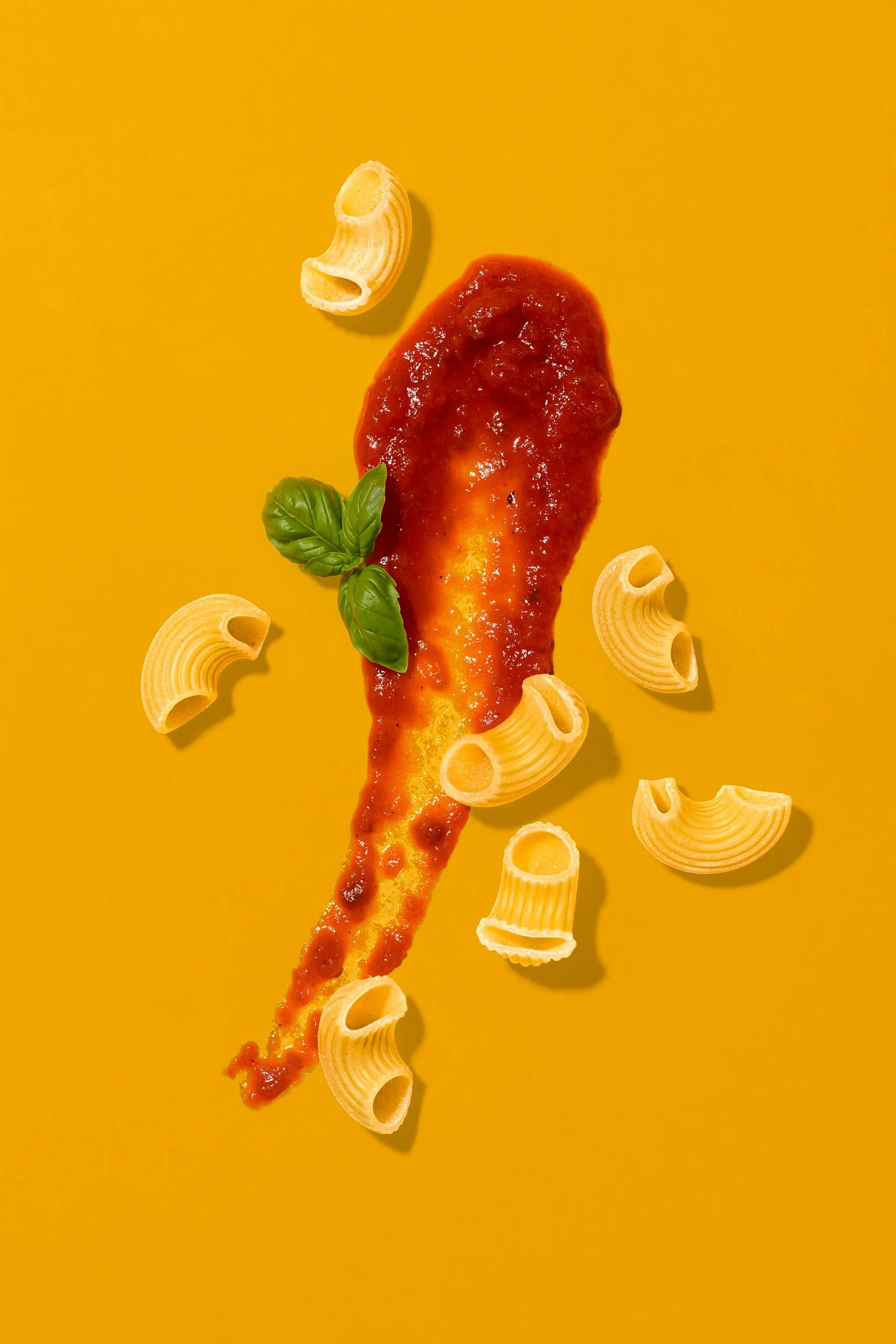
ingredient-focused images
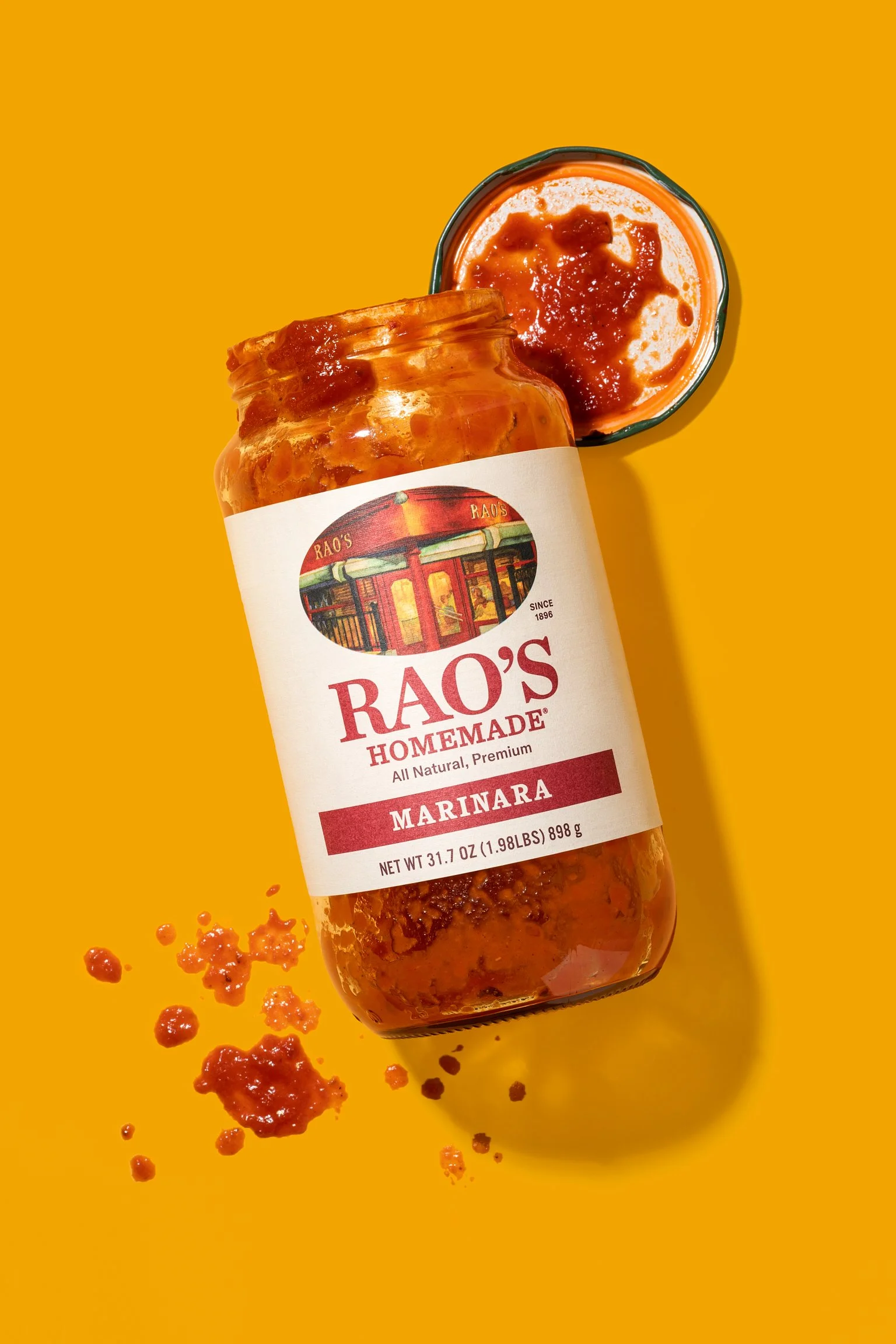
clean product-forward compositions
images with negative space (for text)
tighter crops
more conceptual brand-building images
motion content
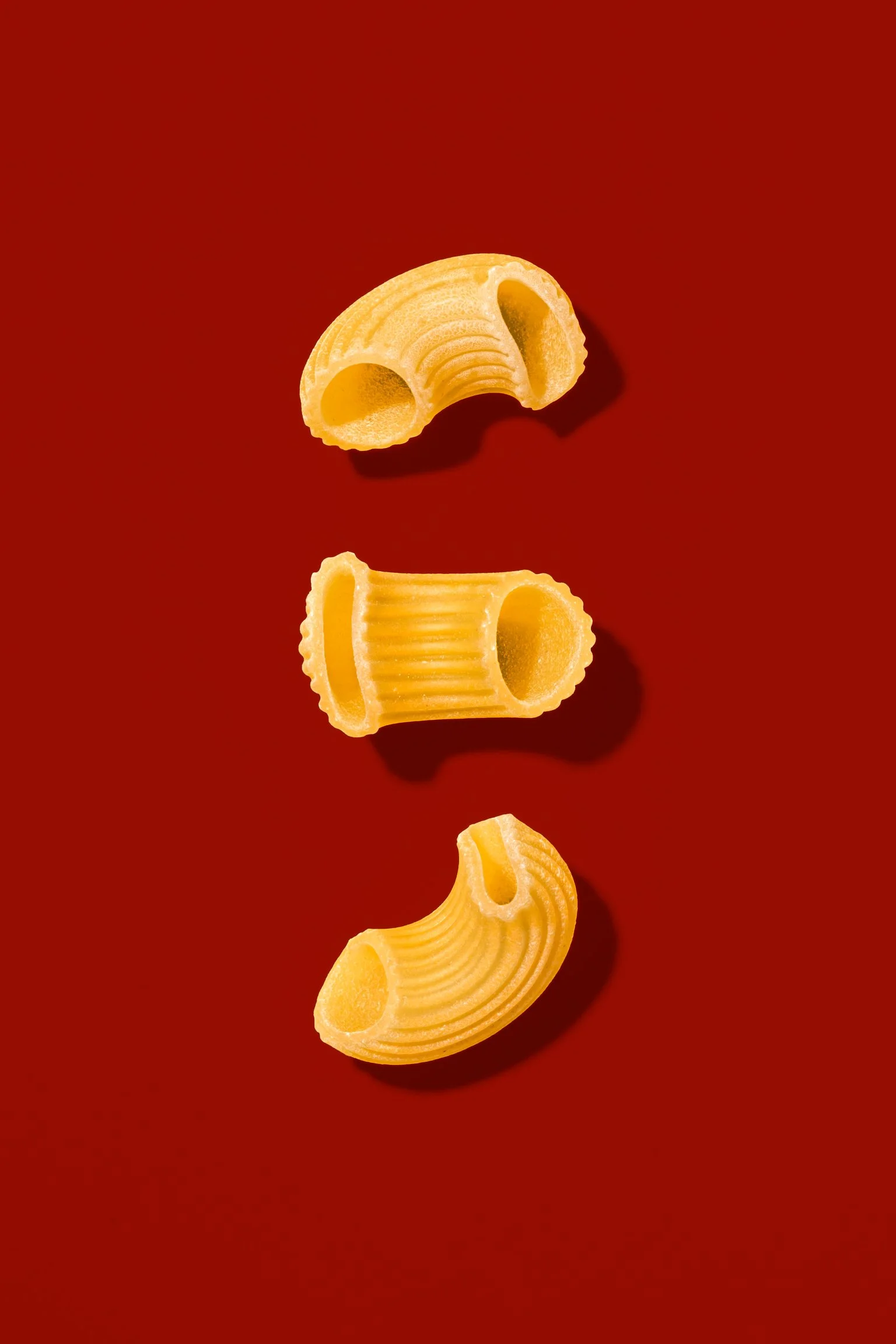
Variety can also come from how each setup is photographed. Changing the perspective is one of the simplest ways to create more visual range without adding an entirely new concept to the shot list.
Different images do different jobs. A hero may anchor a homepage. A macro can add texture to a campaign. An ingredient image may support social or email. A conceptual image can help the brand feel more distinct.
The goal is to build a library, not just collect pretty photos.
Think in content systems, not one-offs
The strongest shoots are planned as a group of images that work together.
There should be enough cohesion that the set feels like one campaign, but enough variation that it doesn’t become repetitive.
That means thinking about:
close-up vs. wider compositions
product-focused vs. story-driven images
stills vs. motion
clean assets vs. more expressive ones
how everything will work across multiple platforms
This is where a thoughtful shoot starts creating real value.
Keep styling purposeful
Props, surfaces, ingredients, and backgrounds all communicate something about the brand.
That doesn’t mean every shoot needs a heavily styled set. Some of the strongest images are incredibly minimal.
The question is simply whether each styling choice supports the idea.
Plan motion from the beginning
If stop-motion or video is part of the deliverables, treat it as part of the creative plan.
There are plenty of reasons for brands to build stop-motion into their content mix, but planning for it from the beginning makes the final assets much stronger.
Motion may require different compositions, extra setup time, locked-off camera positions, or simplified styling. Planning for it early makes it feel integrated rather than tacked on.
Leave room to experiment
A shot list creates structure, but it shouldn’t eliminate discovery.
Sometimes a texture deserves a closer crop. An ingredient creates an unexpected composition. A setup turns out stronger than expected.
The best shoots are planned enough to stay efficient, but flexible enough to make room for better ideas.
A successful commercial food photoshoot isn’t just about making food look beautiful.
It’s about creating imagery that supports the brand, solves a marketing need, and gives your team content they can actually use.
When the goal, usage, visual direction, shot list, and motion needs are considered ahead of time, the final work feels more cohesive, more strategic, and more useful.

Looking for bold, concept-driven commercial photography or stop-motion?